
What Is Erotic Photography? Understanding Eroticism vs Erotica
Erotic Photography Explained: Eroticism vs Erotica
Erotic photography is often misunderstood. Many people assume it must be explicit, sexual, or provocative by default—but eroticism is far more nuanced than that. At its core, erotic photography is about emotion, connection, and aesthetic expression, not shock value or explicit content.
Understanding the distinction between eroticism and erotica allows us to appreciate erotic photography as a legitimate art form—one that celebrates the human experience, sensuality, and self-expression without needing to cross into explicit territory.

What Does “Erotic” Mean?
Eroticism refers to an aesthetic quality that evokes feeling, awareness, or emotional response. It can be subtle or powerful, quiet or bold, but it is never one-dimensional. Eroticism does not require nudity, sexual acts, or even physical touch. It exists in suggestion, mood, and intention.
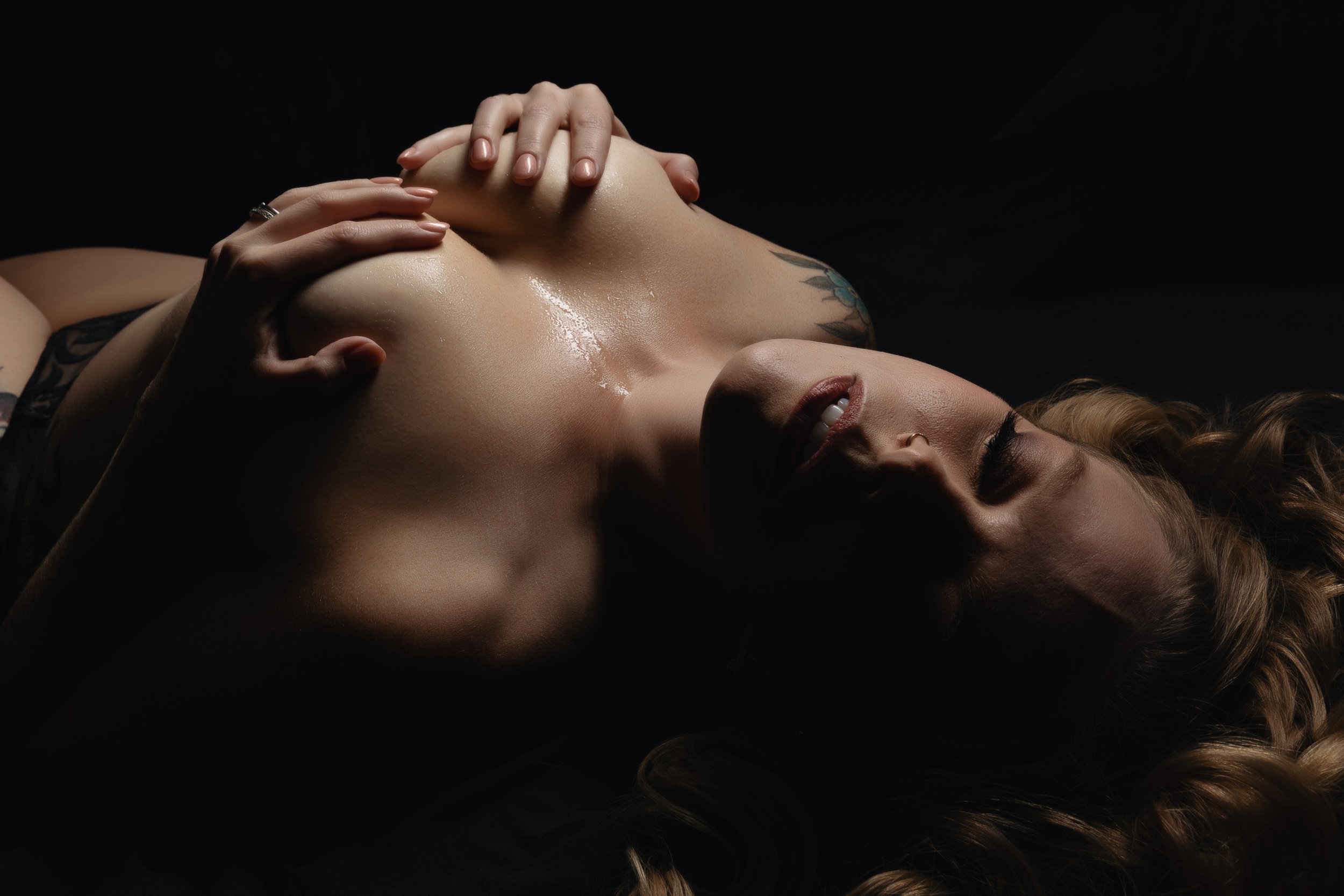
A shadow across skin, a lingering gaze, the curve of a shoulder, or the way light falls across the body can all be erotic without being overtly sexual. Eroticism invites the viewer to feel rather than observe passively.
Eroticism vs. Erotica: An Important Distinction
While the two terms are often used interchangeably, eroticism and erotica are not the same.
Eroticism focuses on emotion, atmosphere, and psychological connection. It is about implication rather than display, and it allows room for interpretation. Erotic imagery often leaves space for the viewer’s imagination and emotional response.
Erotica, on the other hand, typically refers to artistic work that intentionally explores sexuality as a subject. While it may still be artistic and expressive, erotica is more direct in its exploration of sexual themes.
Erotic photography most often lives within eroticism, not erotica. Its purpose is not to provoke or stimulate, but to express something intimate, personal, or emotionally resonant.
What is Erotic Photography?
Erotic photography is simply taking photographs which will stimulate emotion arousal within the viewer and cause them to experience sensations similar to those felt by the subject who poses for the erotic photographer. Erotic photography is a form of art which can be appreciated without being aroused by it. Erotic artists create for the reason of expressing themselves and creating beauty; not as an attempt to stimulate others. Eroticism and pornography are two completely different things. Erotic photographers do not shoot or pose for sexual purposes, they seek to explore their artistic side, experiment with self expression and expose some private aspect about themselves or a subject they feel passionate about.
Erotic photographers produce images that display the beauty in nudity while trying to capture moments which flatter the subjects body, contour and overall presence.
Erotic photographers carefully consider elements such as:
Lighting and shadow
Composition and framing
The subject’s comfort and emotional state
Movement, stillness, and expression
When these elements align, the result is imagery that feels intimate, powerful, and authentic.




Erotic Photography, Boudoir, and Empowerment
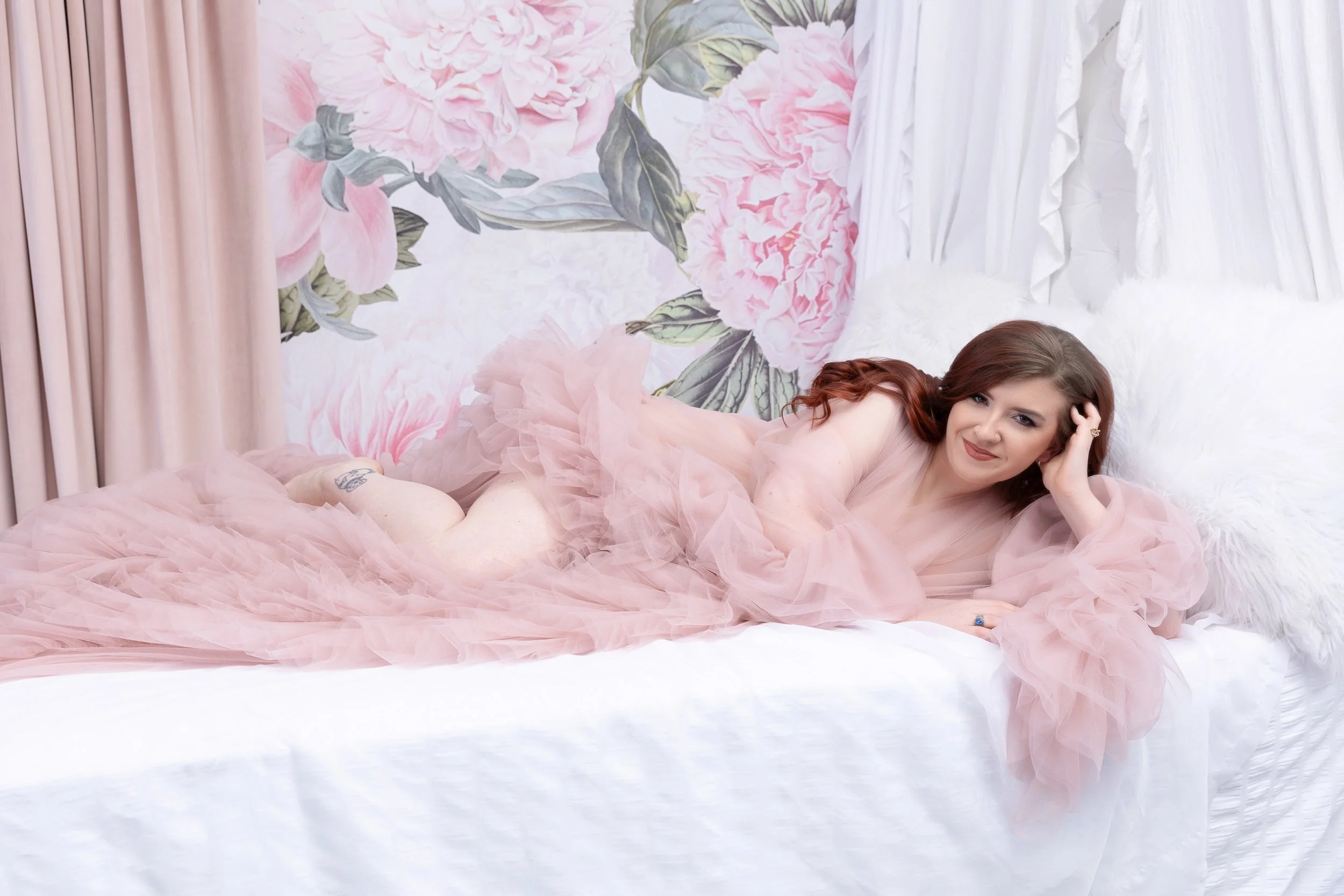
Eroticism is deeply personal. In boudoir photography especially, erotic elements often emerge naturally—not because they are forced, but because the subject feels confident, present, and connected to themselves.
An erotic woman is a female who uses her sexual allure to put herself in a powerful position. She is not necessarily beautiful, and even if she has a superior body, it does not need to be exposed for men's enjoyment. Her eroticism comes from within, from the way she attracts and seduces. Erotic photography is not about showing female nudity in order to sexually arouse viewers.
Erotic photography is less about the visible body, and more about the invisible mind and emotions that are naturally exposed when being photographed. Erotica has nothing to do with obscenity, vulgarity or lewdness. Eroticism is artfully displayed without using sexuality as a direct focal point of attraction by the photographer or subject matter. Eroticism can be found throughout nature in any number of natural beauty and human-made designs whether we observe them consciously or not. Nature alone can provide photographers with many options for strong Erotic images such as fire, which burns brightly and intensely yet quickly dies out; water transforming from a bubbly stream into a raging ocean capable of swallowing up everything in its path; as well as many other Erotic images found in patterns throughout our universe such as lunar phases, flower petals, leaves blowing gently on the wind, and so on. Eroticism is an important element when photographing subjects who are passionate about something be it art or dance or music.
Eroticism can also be found in a persons eyes which the Erotic photographer would focus their camera lens lovingly upon to capture an expression filled with passion. Erotica is not limited to just nudity but often times deals with various forms of non-sexual activity whether clothed or unclothed. Some Erotic photographers may choose to take semi-clothed Erotic images of their subjects in the form of a pin-up girl. Erotica is an act or instance that causes sexual excitement, Eroticism can be found anywhere you look as long as you know how to open your eyes. Eroticism is a generalized term referring to seductive art which may not necessarily involve sex at all; but rather serve to express emotions and feelings through visual stimulation.
At Chicago Boudoir Photography, eroticism is approached through the lens of empowerment and self-expression. The focus is not on how someone looks to others, but on how they feel in their own skin. Many clients discover that what feels erotic in their images is actually confidence, vulnerability, and emotional release.
Erotic photography in this context becomes a form of self-celebration—an opportunity to reclaim one’s body, presence, and personal power.


Eroticism Is Not About Exposure
Eroticism does not depend on how much skin is shown. It can exist fully in a clothed body, a quiet pose, or a subtle interaction between light and form. An erotic presence comes from intention, confidence, and awareness, not perfection or performance.
This is why erotic photography is often described as being less about the visible body and more about the invisible emotions that surface when someone allows themselves to be seen authentically.
Eroticism in Art, Nature, and Design
Eroticism is not limited to the human body. It appears throughout art, nature, and design—in flowing water, organic curves, shadows, texture, and movement. Fire, wind, waves, flower petals, and even architectural lines can evoke the same emotional responses associated with erotic imagery.
These elements are often incorporated into erotic photography to create mood and symbolism, reinforcing the idea that eroticism is about feeling and resonance, not explicit subject matter.

Why Understanding Eroticism Matters
Eroticism is not something to be feared, minimized, or misunderstood. It does not imply immorality or excess. Instead, it offers a deeper understanding of how humans experience beauty, connection, and emotion.
By distinguishing eroticism from erotica, we allow space for sensual art to exist without shame—and for photography to explore intimacy in a way that is respectful, intentional, and deeply human.
Erotic photography, at its best, is not about being seen by others.
It’s about seeing yourself differently.
Have More Questions About Boudoir Photography?
Boudoir photography is deeply personal, and it’s completely normal to have questions—about comfort, posing, nudity, privacy, or what the experience is really like. If you’re curious how boudoir photography works or wondering if it’s right for you, we’ve answered the most common questions in detail.
👉 Read our full Boudoir Photography FAQs HERE!